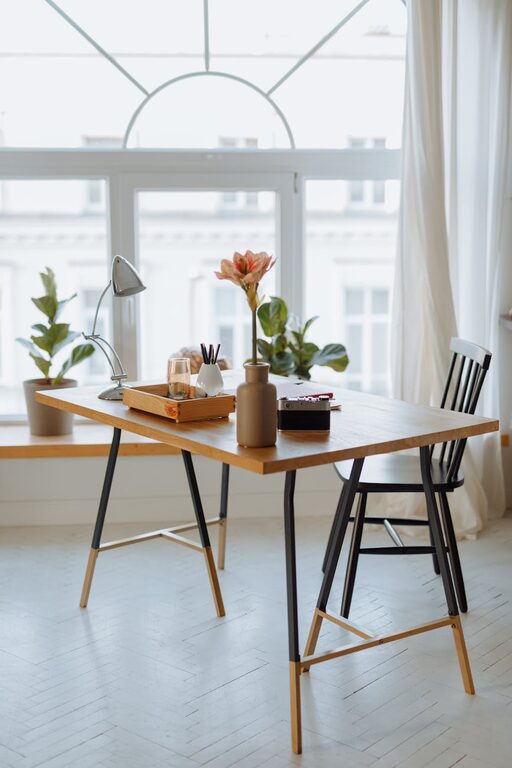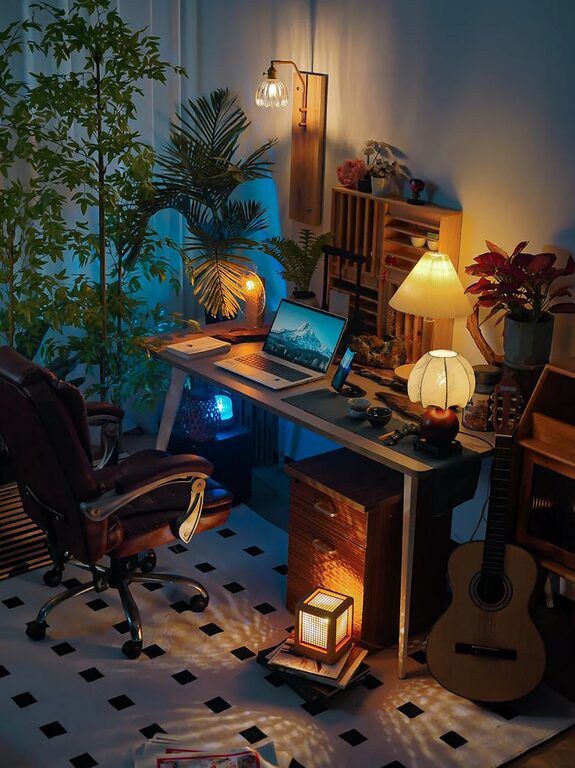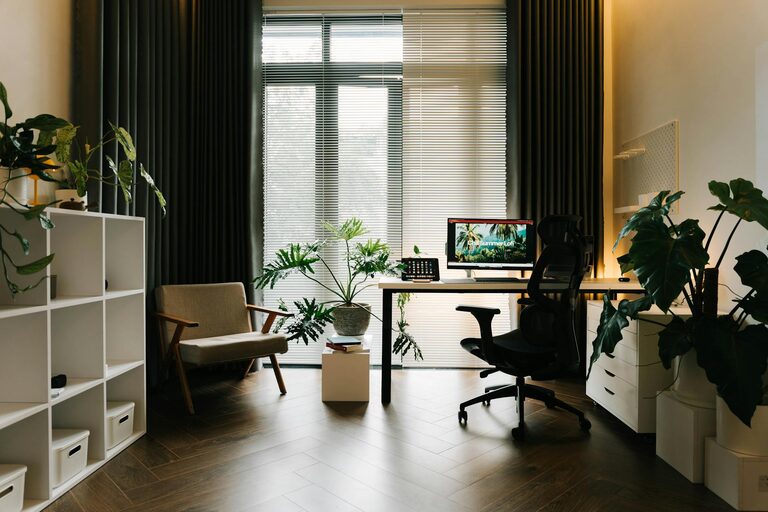






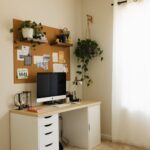


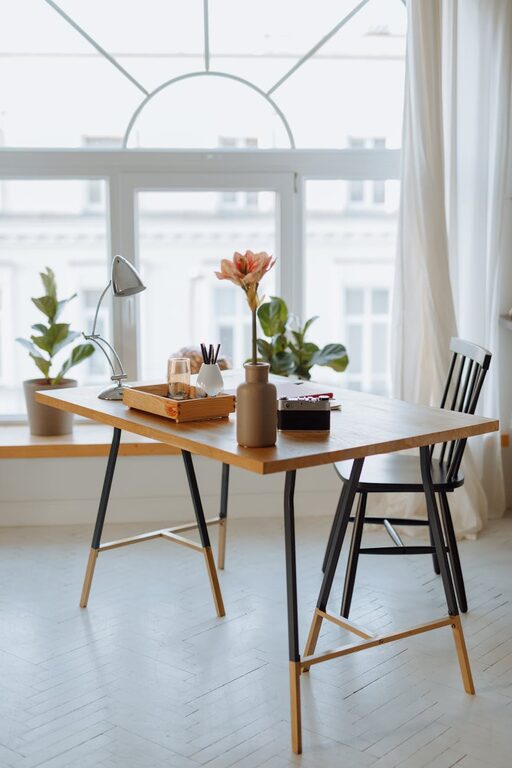
Creating a cozy and functional home office is more important than ever as many people work remotely or spend more time at home. A well-designed workspace can boost your productivity, improve your mood, and help you maintain a healthy work-life balance. Whether you have a dedicated room or a corner in your living area, here are some useful tips to make your home office both inviting and practical.
1. Choose the Right Location
Start by selecting a spot in your home that feels calm and has minimal distractions. Ideally, this should be a space with good natural light, as sunlight can reduce eye strain and improve your overall mood. If you don’t have a separate room, a quiet corner of a less busy room works well too.
Key considerations:
– Close enough to amenities like the kitchen or bathroom but not too close to noisy areas.
– Near a window for ventilation and natural light.
– Away from areas with frequent foot traffic.
2. Invest in a Comfortable Chair and Desk
Comfort is essential when designing a home office. Spending long hours at a poorly designed desk and chair setup can cause discomfort and health issues.
– Choose an ergonomic chair with adjustable height, lumbar support, and comfortable cushioning.
– Pick a desk that fits your space while providing enough surface area for your work tools (laptop, monitor, notebook).
– Consider a standing desk or adjustable desk if you want to alternate between sitting and standing.
3. Optimize Lighting
Lighting affects not only your productivity but also your focus and overall comfort.
– Use a combination of natural and artificial light.
– Place your desk near a window to take advantage of daylight.
– Add task lighting such as a desk lamp with adjustable brightness and direction.
– Avoid harsh overhead lighting that can cause glare on your computer screen.
4. Organize for Efficiency
A cluttered space can harm your workflow. Keeping your home office organized will help you stay focused.
– Use shelves, filing cabinets, or drawers to store documents and supplies.
– Keep everyday items within arm’s reach.
– Use cable organizers or clips to manage cords neatly.
– Consider minimalist décor to reduce distractions.
5. Add Personal Touches
Personalizing your space creates a more inviting atmosphere and reflects your style.
– Add artwork, photos, or plants to bring life and inspiration into your office.
– Use cushions, rugs, or throws for warmth and coziness.
– Choose colors that you find calming or energizing, such as soft blues, greens, or warm neutrals.
6. Incorporate Technology Thoughtfully
Technology is vital in any office, but it should support your work without becoming overwhelming.
– Use wireless accessories like keyboards and mice to reduce cable clutter.
– Invest in a good-quality webcam and microphone if you attend frequent video calls.
– Set up a reliable Wi-Fi connection.
– Consider adding a printer or scanner if needed, but keep them tucked away to maintain a neat space.
7. Maintain Good Air Quality
Fresh air improves concentration and comfort.
– Open windows regularly to circulate air.
– Add indoor plants that help purify the air, such as snake plants or pothos.
– Use an air purifier if necessary to reduce dust and allergens.
8. Establish Boundaries and Routine
Finally, creating clear boundaries ensures your workspace is dedicated to work time, helping you switch off and relax after hours.
– Set specific work hours and stick to them.
– If possible, keep your office area separate from your relaxation spaces.
– Use storage solutions to “close” your office at the end of the day, such as closing a door or covering your desk.
—
Designing a cozy and functional home office takes some thoughtful planning, but the benefits are well worth it. By combining comfort, organization, and personal touches, you can create a space that makes remote work enjoyable and productive. Try these tips out and tailor your office to your unique needs for the best results.