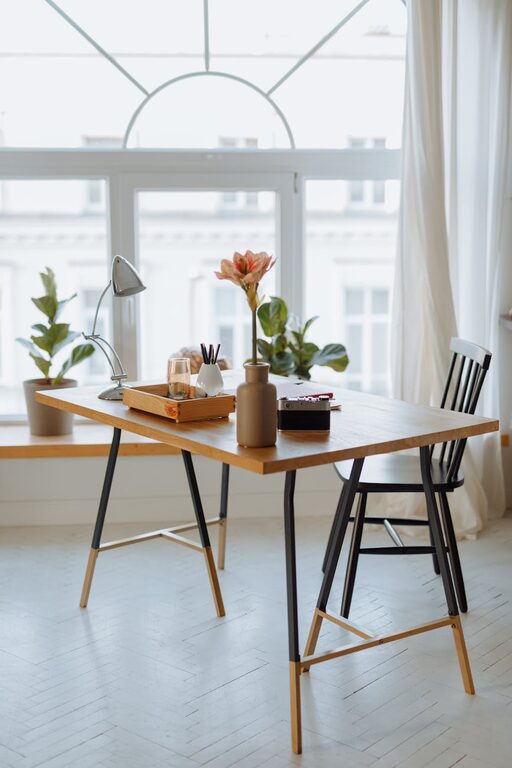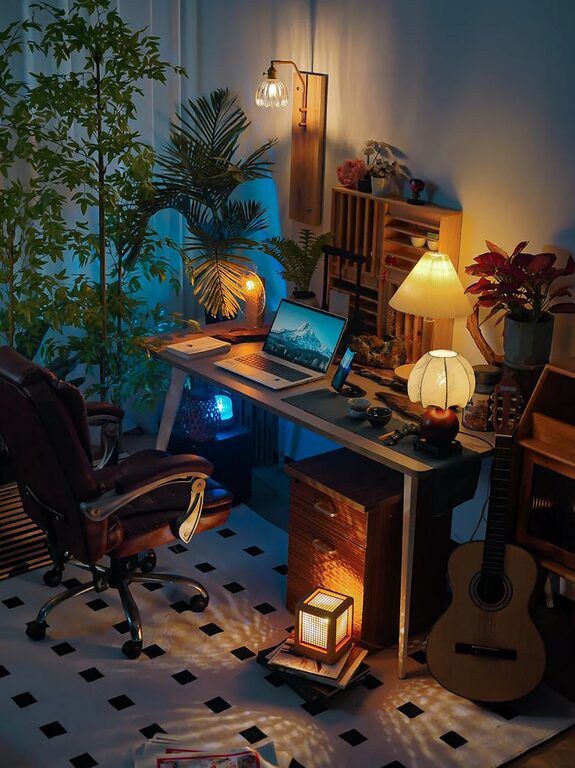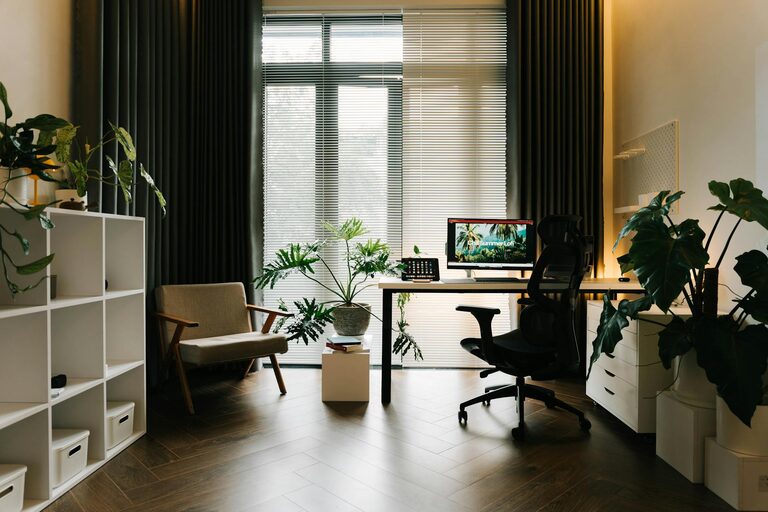



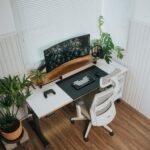


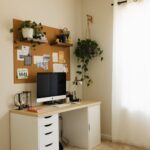


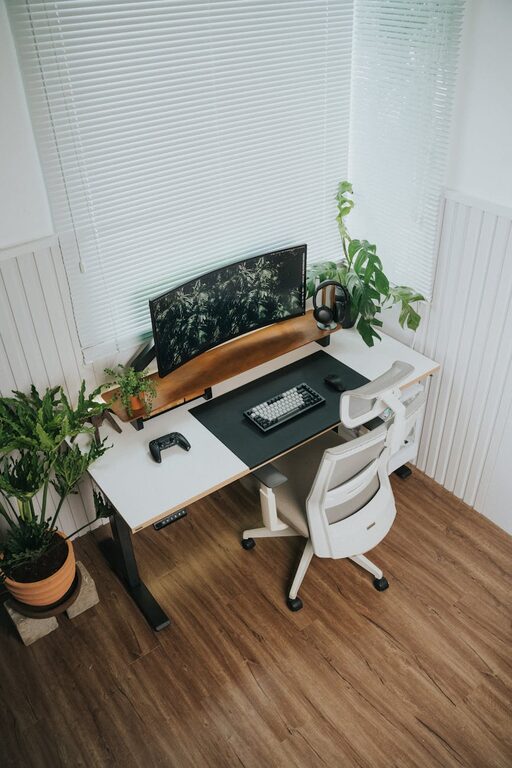
Setting up a productive home office space is essential for anyone working from home or managing personal projects. A well-organized workspace not only enhances your focus but also helps separate your professional life from your personal life. Whether you have a dedicated room or just a small corner, these tips will help you create an inspiring and efficient home office.
Choose the Right Location
The first step to building a productive home office is picking the best spot. Ideally, you want a quiet area with minimal distractions. If possible, select a space with natural light, as it can boost mood and reduce eye strain.
Consider these factors when choosing your location:
– Distance from high-traffic areas in your home
– Amount of natural light available
– Access to electrical outlets and Wi-Fi signals
– Space to fit furniture and equipment comfortably
Invest in Comfortable and Functional Furniture
Comfort plays a crucial role in productivity. Poor seating or awkward desk height can lead to discomfort and decrease your focus over time.
Essential furniture items to consider:
– Ergonomic Chair: Supports good posture to prevent back pain.
– Desk: Spacious enough for your computer, notebook, and other essentials.
– Storage Units: Shelves, filing cabinets, or organizers to keep paperwork tidy.
If space is limited, look for multi-purpose furniture, such as desks with built-in shelves or foldable tables.
Declutter and Organize Your Space
A cluttered desk can cause mental clutter and distraction. Keep only the essentials on your work surface and organize the rest into drawers, boxes, or shelves.
Tips for organizing your workspace:
– Use drawer dividers to separate small items like pens and paper clips.
– Label storage containers for easy retrieval.
– Regularly purge unnecessary items to maintain a clean environment.
Optimize Lighting
Proper lighting reduces eye strain and keeps you alert during work hours. Along with natural light, add task lighting where needed.
Lighting suggestions:
– Position your desk near a window for daylight.
– Use a desk lamp with adjustable brightness.
– Avoid harsh overhead lights that cause glare or shadows.
Personalize Your Workspace
Adding personal touches can make your workspace more inviting and motivating. However, avoid overdecorating, which might become distracting.
Ideas for personalization:
– Plants: Improve air quality and add a calming green touch.
– Artwork or photos: Inspire creativity and happiness.
– Color accents: Use colors you find soothing or energizing.
Minimize Distractions
Identify common distractions in your home and find ways to reduce them. This might include noise, interruptions, or digital distractions.
Strategies to minimize distractions:
– Use noise-canceling headphones or a white noise machine for background sound.
– Set boundaries with family or housemates during work hours.
– Use apps or browser extensions to block distracting websites or notifications.
Establish a Routine and Boundaries
Creating a productive home office requires discipline. Set regular working hours and stick to them to maintain balance.
Tips to maintain a routine:
– Start your day with a morning ritual to signal the beginning of work.
– Take regular breaks to rest your eyes and move your body.
– End your day by tidying your space and shutting down your computer.
Equip Your Office with Necessary Technology
Ensure your home office has the technology needed to do your work efficiently.
Must-have tech items:
– Reliable computer or laptop
– Fast internet connection
– Printer or scanner if needed
– Backup power source (like a surge protector)
Maintain Good Air Quality
Fresh air helps keep your mind sharp and improves overall comfort.
Ways to improve air quality:
– Open windows regularly to let in fresh air.
– Use an air purifier if your space is prone to dust or allergens.
– Keep plants that help filter air indoors.
Final Thoughts
Creating a productive home office is about making a space that supports your work style, comfort, and focus. By choosing the right location, organizing your environment, and minimizing distractions, you set yourself up for success. Remember, your home office can evolve as your needs change, so feel free to adjust and improve it over time.
With these tips, you can transform any space into a home office that motivates you to do your best work every day.