

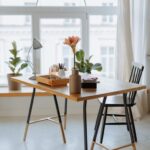


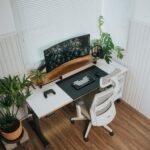


Creating an indoor garden can transform your living space into a refreshing and relaxing haven. However, not everyone has the time or experience to maintain a garden that requires constant attention. The good news is that with the right approach, you can enjoy a beautiful indoor garden that’s both easy to care for and visually appealing. This guide offers practical tips to help you design a low-maintenance indoor garden that thrives throughout the year.
1. Choose the Right Plants
The foundation of a low-maintenance indoor garden lies in selecting plants that naturally require less care. Here are some popular, easy-to-care-for options:
– Snake Plant (Sansevieria): Tolerates low light and infrequent watering.
– ZZ Plant (Zamioculcas zamiifolia): Thrives in low light and can survive drought.
– Pothos (Epipremnum aureum): Adaptable to various light conditions and forgiving if you forget to water it occasionally.
– Spider Plant (Chlorophytum comosum): Resilient and grows well indoors.
– Succulents: Require bright light and minimal water, great if you prefer a desert vibe.
– Peace Lily: Prefers indirect light and signals when it needs water with drooping leaves.
By choosing these forgiving plants, you reduce the need for constant monitoring or specialized care.
2. Optimize Lighting Conditions
Light is essential for healthy plant growth, but each plant has unique needs. Here’s how to match your plants with your available light:
– Bright, Indirect Light: Place plants near south or east-facing windows but avoid direct sun which can scorch leaves.
– Low Light: Ideal for plants like the snake plant or ZZ plant; north-facing windows work well.
– Artificial Lighting: If natural light is limited, consider using grow lights designed for indoor plants. LED grow lights are energy-efficient and easy to install.
Always evaluate the natural light in your space before buying plants to ensure they can thrive.
3. Use Quality Soil and Proper Containers
Healthy soil promotes strong roots and easier watering:
– Use Well-Draining Potting Mix: Avoid garden soil as it can compact and drain poorly. Look for mixes designed for indoor plants or specific plant types like succulents.
– Choose Pots with Drainage Holes: Good drainage prevents water from pooling at the bottom, reducing the risk of root rot.
– Consider Self-Watering Pots: These containers store water and allow plants to absorb moisture slowly, which helps if you forget to water regularly.
Remember to repot your plants every 1-2 years to refresh soil and allow room for growth.
4. Water Wisely
Overwatering is one of the most common reasons indoor plants suffer:
– Check Soil Moisture Before Watering: Stick your finger about an inch into the soil. Water only if it feels dry.
– Water Thoroughly but Infrequently: When you water, do so until water drains from the bottom, then let the soil dry out before watering again.
– Adjust Frequency by Season: Plants need less water in winter and more during their active growing season (spring and summer).
– Use Room-Temperature Water: Cold water can shock roots.
Consider grouping plants with similar watering needs together to make care easier.
5. Maintain Proper Humidity and Temperature
Indoor plants prefer stable, comfortable environments:
– Humidity: Many tropical plants thrive in higher humidity. To increase moisture, you can mist plants occasionally, use a humidity tray (a shallow tray filled with water and pebbles), or place a humidifier nearby.
– Temperature: Most houseplants do best at temperatures between 65-75°F (18-24°C). Avoid placing plants near drafts, vents, or sudden temperature changes.
Keeping your plants comfortable helps prevent stress and pest problems.
6. Keep Your Indoor Garden Clean and Healthy
Regular maintenance keeps plants looking their best and prevents issues:
– Dust Leaves Gently: Clean leaves with a soft, damp cloth to improve photosynthesis and appearance.
– Prune Dead or Yellowing Leaves: This encourages new growth and keeps plants tidy.
– Check for Pests: Look out for common indoor pests like spider mites or aphids. If detected early, natural remedies such as insecticidal soap can help.
– Fertilize Occasionally: Use a balanced, diluted fertilizer every 4-6 weeks during growing season to provide nutrients.
Consistent upkeep ensures your indoor garden remains vibrant.
7. Create an Attractive Layout
How you arrange your indoor plants can enhance your space:
– Use Plant Stands and Shelves: Vary heights to add interest and optimize light exposure.
– Combine Different Textures: Mix broad leaves with delicate foliage for contrast.
– Group Plants in Clusters: This can create a visual focal point and help increase local humidity.
– Incorporate Decorative Pots: Beautiful containers can complement your home decor and personal style.
A thoughtfully designed indoor garden adds personality to your home without extra work.
8. Start Small and Expand Gradually
If you’re new to indoor gardening, begin with a few easy plants to build your confidence. As you learn more about plant care and your environment, you can add more varieties and experiment with different arrangements.
—
Final Thoughts
Creating a beautiful and low-maintenance indoor garden is achievable with some planning and the right plant choices. By understanding your space’s light and humidity, selecting hardy plants, and following simple care routines, you’ll enjoy a thriving green retreat at home. Remember, the best gardens are those that bring you joy with minimal stress!
Happy gardening!