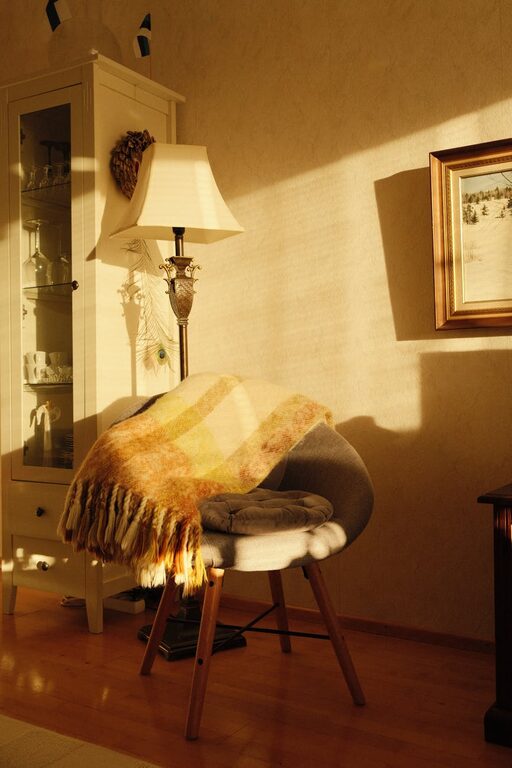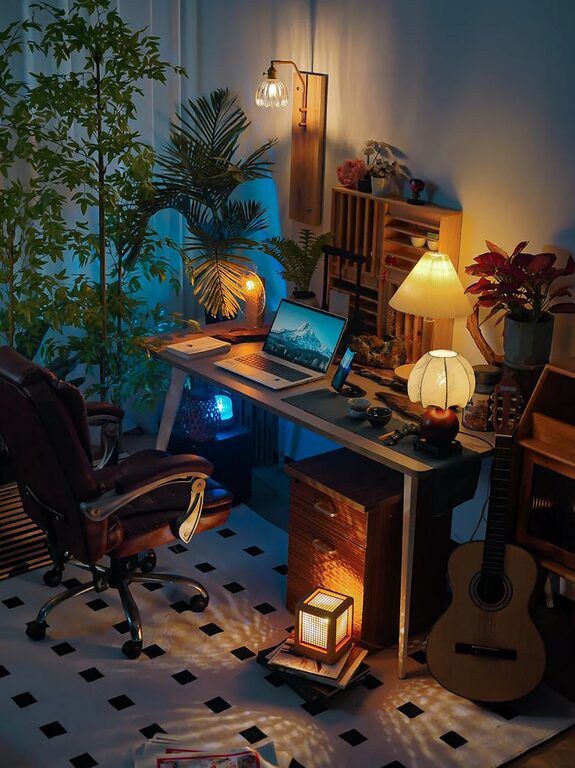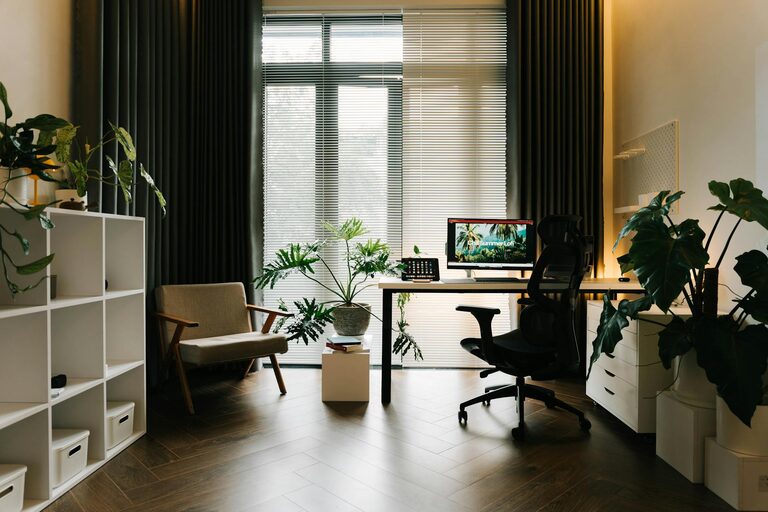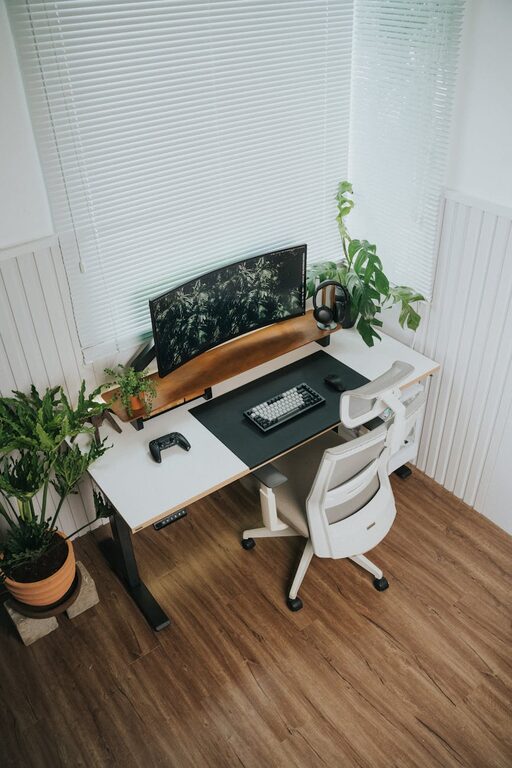




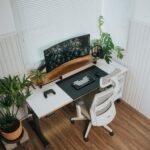


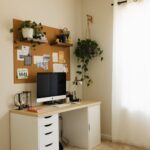


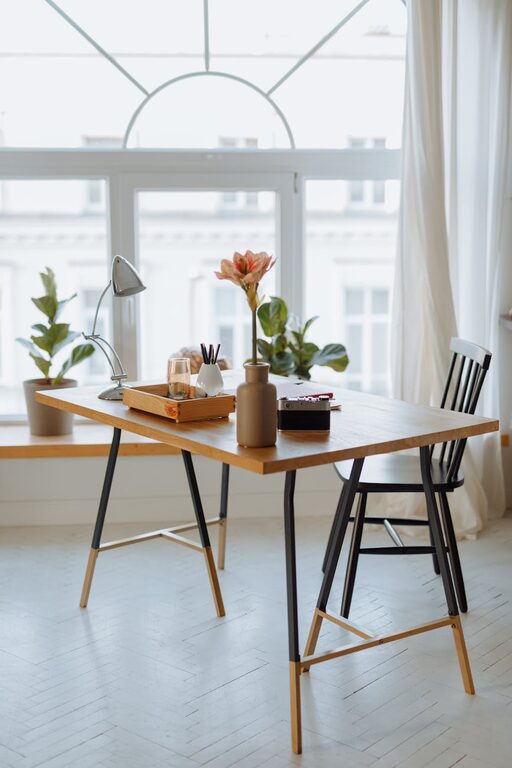
Creating a cozy and functional home office space is essential for anyone working or studying from home. A well-designed workspace not only boosts productivity but also enhances comfort, making long hours more enjoyable. Whether you have a dedicated room or a small corner, these tips will help you craft a home office that suits your needs and reflects your personal style.
1. Choose the Right Location
Finding the ideal spot for your home office sets the foundation for a productive environment.
– Consider natural light: Position your desk near windows to take advantage of daylight. Natural light can improve mood and reduce eye strain.
– Minimize distractions: Select a quiet area with minimal traffic and noise.
– Evaluate space: Ensure there’s enough room for your desk, chair, and essential items without feeling cramped.
2. Invest in Comfortable and Supportive Furniture
Your furniture should support healthy posture and allow for long periods of focused work.
– Ergonomic chair: Choose a chair with adjustable height, lumbar support, and comfortable cushioning.
– Appropriate desk height: Your desk should allow your arms to rest comfortably at a 90-degree angle.
– Consider a standing desk: Alternating between sitting and standing can promote movement and reduce discomfort.
3. Optimize Lighting
Good lighting reduces eye strain and sets the right mood for your workspace.
– Layer light sources: Combine ambient, task, and accent lighting. Use desk lamps with adjustable brightness for focused tasks.
– Avoid glare: Position screens and lamps to prevent reflections and harsh shadows.
– Choose warm light bulbs: Soft, warm light creates a cozy atmosphere compared to harsh white light.
4. Organize and Declutter
A clutter-free space helps maintain focus and reduces stress.
– Use storage solutions: Shelves, drawers, and file organizers keep your materials tidy and within reach.
– Keep everyday items accessible: Arrange frequently used objects on your desk for convenience.
– Digitize when possible: Reducing paper clutter by scanning documents can streamline your workflow.
5. Personalize Your Workspace
Adding personal touches makes your office feel inviting and motivating.
– Decorate with plants: Indoor plants improve air quality and add a calming natural element.
– Display meaningful items: Photos, artwork, or inspirational quotes can provide motivation.
– Choose a pleasant color palette: Soft, calming colors create a cozy vibe, while brighter colors can energize.
6. Manage Cables and Technology
Electronics are essential but can quickly create a messy environment.
– Use cable organizers: Clips, sleeves, and boxes help keep cords neat and tangle-free.
– Invest in wireless devices: Wireless keyboards, mice, and headphones reduce cable clutter.
– Maintain a clean screen: Regularly clean your computer, monitor, and peripherals for better usability.
7. Incorporate Flexibility
Your work needs may change, so designing a flexible space is helpful.
– Use multi-purpose furniture: Desks with adjustable heights or foldable features can adapt to different tasks.
– Create zones: If space allows, have distinct areas for computer work, reading, and brainstorming.
– Adjust lighting and furniture placement: Experiment with setups based on your daily needs.
8. Pay Attention to Acoustics
Noise control can improve concentration and create a peaceful work environment.
– Use rugs and curtains: Soft materials help absorb sound and reduce echoes.
– Add soundproofing: Consider foam panels or weather stripping on doors to limit distracting noise.
– Play background sounds: White noise machines or gentle music can mask disruptive sounds.
9. Maintain Good Air Quality and Temperature
Comfort involves more than just furniture and décor.
– Ventilation: Open windows regularly or use fans to keep fresh air flowing.
– Air purifiers: These devices can help remove allergens and dust.
– Temperature control: Use heaters or coolers as needed to maintain a comfortable climate.
10. Establish a Routine
Finally, a functional home office works best when paired with a good routine.
– Set working hours: Define clear start and end times to separate work from relaxation.
– Take regular breaks: Step away from your desk to stretch and rest your eyes.
– Keep your space tidy: End each day by organizing your desk for the next.
—
Designing a cozy and functional home office is about balancing comfort with efficiency. By considering these tips, you can create a space that supports your work habits and enhances your well-being. Remember, your home office should be a reflection of your lifestyle while promoting focus and creativity.